Skip the Crowds: Your Insider's Guide to Danville's World-Class Bourbon Country
Let's be honest — if you've done the standard Louisville bourbon circuit, you've waited in line, paid premium prices, and shared a tasting room with about two hundred of your closest strangers. It's fun, sure. But it's not exactly intimate.
Danville offers something different. Tucked into Boyle County in the Bluegrass region, this small city punches well above its weight when it comes to bourbon heritage and hands-on distillery access. The grain grows nearby. The limestone-filtered water runs cold and clean. The craftspeople here actually want to talk to you. And the lines? Practically nonexistent.
Here's everything you need to know before you go.
Why Danville Is Ground Zero for Serious Bourbon Travelers
The geography alone tells the story. Boyle County sits in the heart of Kentucky's central Bluegrass region, where the soil chemistry, water table, and climate have been producing world-class bourbon ingredients for centuries. The corn, rye, and barley that go into your favorite bottles often start their journey just a few miles from downtown Danville.
Danville's bourbon roots run deeper than most people realize. Long before Kentucky bourbon became a global marketing phenomenon, family operations in this corner of the state were quietly perfecting the craft. The city's connection to that history — explored in depth by local historians and preserved through several heritage organizations — gives every distillery visit here a context you simply can't get from a polished corporate tour.
The Essential Distillery Stops
The Danville area is within easy driving distance of several significant distilleries, and a weekend is genuinely enough time to hit the highlights without feeling rushed.
Wilderness Trail Distillery in nearby Danville is one of the region's standout craft operations. Founded by two fermentation scientists, it takes a genuinely nerdy, process-driven approach to bourbon-making that appeals to enthusiasts who want more than a pretty label. Their tours go deep into the science of fermentation, and the tasting room gives you a real sense of what small-batch production looks and tastes like. Book ahead — their tour slots fill up, especially on Saturdays.
Beyond the city limits, the broader Boyle County area connects you to a network of distilleries along Kentucky's Bourbon Trail and the craft-focused Kentucky Bourbon Trail Craft Tour. Danville makes an ideal base camp for day trips to operations in neighboring counties, letting you explore without the hassle of constantly moving hotels.
Don't Skip the Cooperage
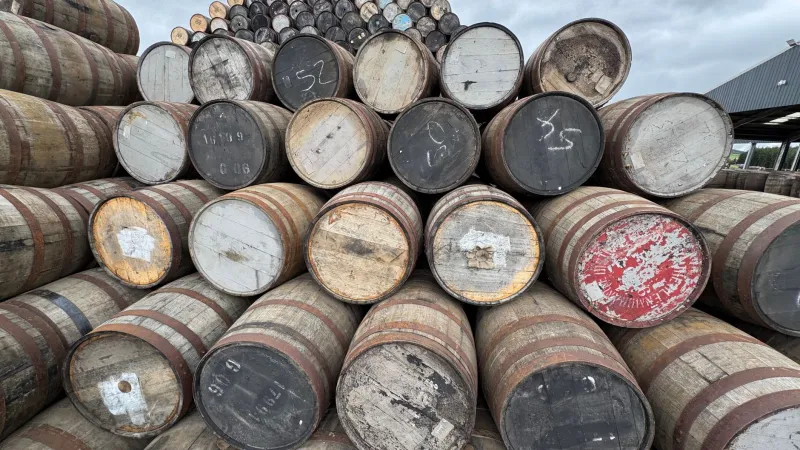
Here's the insider tip that separates a good bourbon trip from a great one: the barrel is where the magic happens. Roughly 60 to 70 percent of bourbon's final flavor comes from the charred oak barrel it ages in, and seeing a cooperage operation up close completely changes how you think about every sip you take afterward.
The Danville region has historical connections to cooperage operations that once served distilleries across the state. Ask at the local visitor center or chat with distillery staff — they're usually happy to point you toward working barrel operations or historical cooperage sites that don't show up in the standard guidebooks.
Grain to Glass: Following the Ingredients
One of the things that makes this region special is that you can actually trace the full supply chain. The farms growing the grain, the mills processing it, the distilleries fermenting and aging it — it's all within reach. A few distilleries in the area have built relationships with local grain suppliers and will happily walk you through those connections during a tour.
If you're visiting in late summer or fall, you might even catch the grain harvest in progress on farms surrounding the city. There's something genuinely moving about watching a corn harvest roll through the same fields that have been feeding Kentucky distilleries for generations.
Practical Tips for Booking Tours
- Reserve early, especially for weekends. Even smaller craft distilleries fill their Saturday tour slots weeks in advance during peak season (spring through fall).
- Go on a weekday if you can. Tour groups are smaller, staff have more time to answer questions, and the whole experience feels less like a theme park.
- Designate a driver or arrange transportation. Boyle County has a few rideshare options, but availability can be limited outside of downtown. Many visitors traveling with a group hire a local shuttle service for distillery day trips — ask your hotel for recommendations.
- Pace yourself. Tasting pours add up quickly, especially when you're genuinely enjoying what you're sampling. Eat a solid meal before you start, and take your time between stops.
- Bring cash for the gift shop. Some smaller operations don't carry certain bottle releases in retail stores. The distillery gift shop may be your only shot at picking up a limited expression.
Where to Eat and Drink Between Stops
Danville's downtown food scene is a genuinely pleasant surprise. After a morning at the distillery, you'll find no shortage of solid lunch options within walking distance of the main square. Several local restaurants have leaned into the bourbon connection, featuring Kentucky-sourced spirits in their cocktail programs alongside menus built around regional ingredients.
For a more laid-back evening, a few of Danville's bars and bottle shops carry craft expressions from local and regional distilleries that you won't find at the big chain liquor stores. It's a great way to try a few things before committing to a full bottle purchase.
The Bigger Story Behind Every Bottle
What makes Danville's bourbon scene worth a special trip isn't just the whiskey — it's the people. The distillers, the farmers, the historians who track down old mash bills from 19th-century operations, the locals who grew up watching the industry evolve. When you visit a craft distillery in this part of Kentucky, you're usually talking to someone who has a real personal connection to the product.
That's the thing about bourbon country that the glossy brochures don't always capture. The best experiences aren't the most polished ones. They're the conversations you have with a distiller who's genuinely proud of what they're making, in a place that has been making it for a very long time.
Danville is exactly that kind of place. Come thirsty — for the whiskey and the stories.