The Comeback Blueprint: How Danville Turned Economic Hardship Into a Model for Modern Reinvention
There's a version of Danville's story that sounds familiar to a lot of American towns. Industries contract. Jobs leave. A downtown that once hummed with activity goes quiet. Young people move away chasing opportunities that no longer exist locally. It's a narrative that played out across the Rust Belt, the Appalachian foothills, and yes, right here in Central Kentucky.
But here's where Danville's story takes a turn most towns never manage. Instead of waiting for a single big employer to ride in and save the day, this community made a different kind of bet — on itself.
The Industrial Roots Worth Understanding
To appreciate where Danville is now, it helps to know where it came from. Boyle County's economy, like much of Kentucky's, was historically tied to extractive and manufacturing industries. Agriculture, tobacco processing, and proximity to coal country shaped the regional identity for generations. When those industries began their long decline through the latter half of the twentieth century, the ripple effects were real and lasting.
Danville itself was never purely a coal town — its identity has always been more complex than that — but the broader regional economic contraction hit close to home. Factory closures, shifting trade patterns, and the slow erosion of anchor employers created genuine uncertainty about what the city's economic future would look like.
What's remarkable isn't that Danville faced those challenges. What's remarkable is how it responded.
The Decision to Invest in People and Place
Sometime in the early 2000s, a shift began. It wasn't a single dramatic moment — more like a series of deliberate choices made by city leaders, business owners, and ordinary residents who refused to accept decline as inevitable.
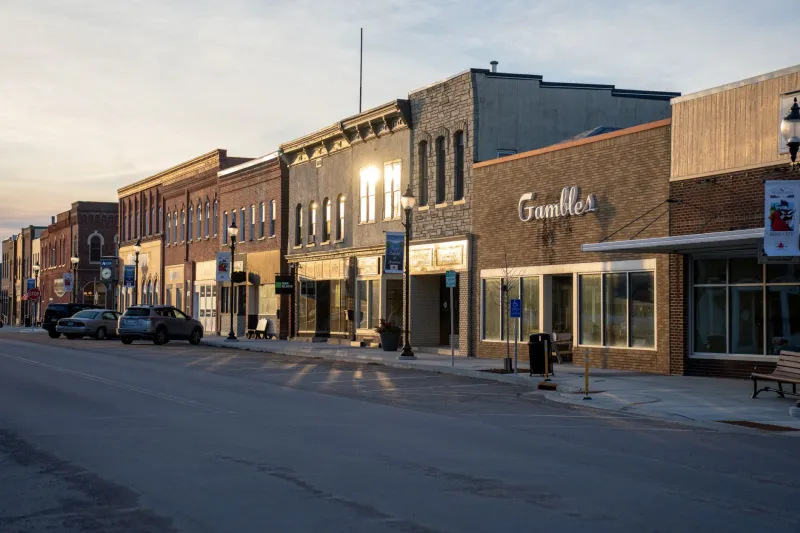
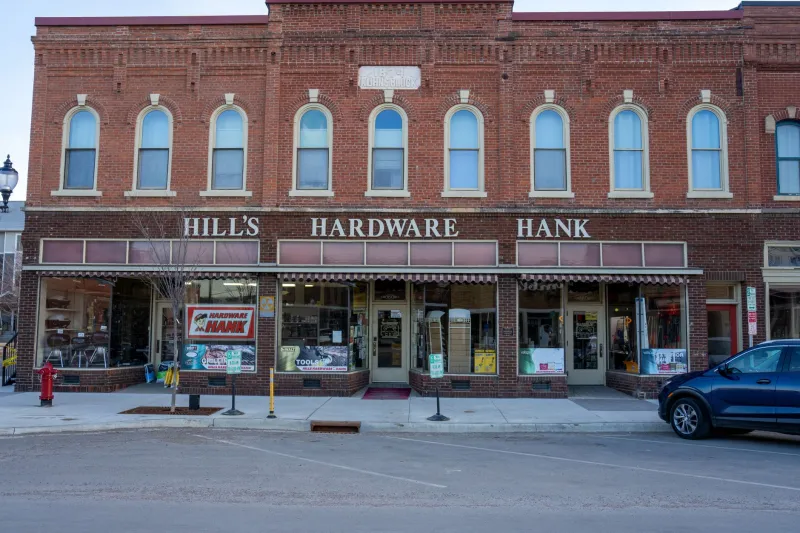
One of the clearest early signals was the commitment to preserving and activating Danville's historic downtown. Rather than bulldozing the past in favor of strip malls and big-box development on the outskirts, local leadership doubled down on the walkable, human-scaled urban fabric that had been there all along. Historic preservation became an economic strategy, not just a sentimental exercise.
The result? A downtown that actually draws people. Independently owned restaurants, boutique retailers, art galleries, and creative businesses moved into spaces that might otherwise have sat empty. The built environment became a competitive advantage.
Centre College as an Anchor Institution
You can't tell Danville's reinvention story without talking about Centre College. Founded in 1819, Centre is one of the most respected liberal arts colleges in the country, and its presence here is not incidental to the city's trajectory — it's central to it.
Anchor institutions like Centre provide something that economic development consultants spend a lot of time talking about: a stable, knowledge-producing engine at the heart of a community. Centre brings students, faculty, and visiting scholars into Danville year-round. It generates demand for housing, food, entertainment, and services. It seeds the local talent pipeline and keeps intellectual energy circulating through the community.
Perhaps more importantly, Centre's presence signals something to the outside world. It tells entrepreneurs, remote workers, and families considering a move that Danville is a place that values education, ideas, and quality of life. That signal matters more than most people realize.
The Craft Economy and the Creative Class
Walk through downtown Danville on a Saturday afternoon and you'll notice something. The businesses that have taken root here aren't chains. They're craft breweries, artisan food producers, independent bookshops, and maker spaces. There's a palpable sense that people here are building things — not just selling them.
This didn't happen by accident. The city made deliberate decisions to support small business formation, streamline permitting for creative enterprises, and cultivate a culture that celebrates local ownership. Programs connecting entrepreneurs with mentorship, micro-financing, and shared resources helped lower the barriers to entry for people with good ideas but limited capital.
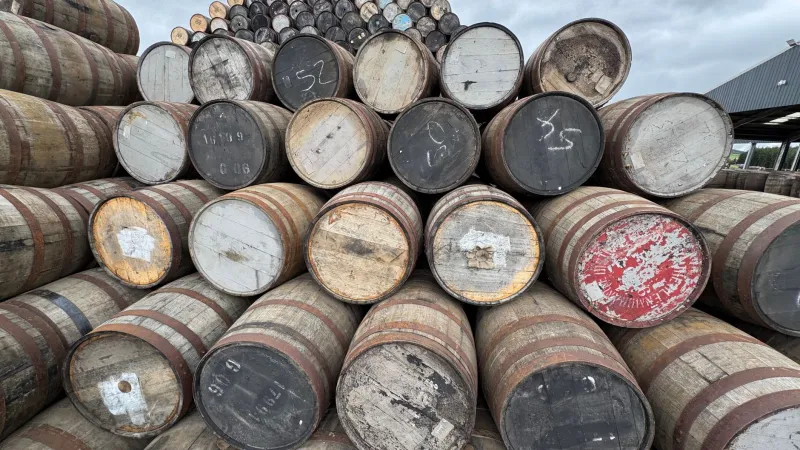
The bourbon industry's broader renaissance in Kentucky also gave Danville a tailwind. As craft distilling exploded across the state, Danville found itself well-positioned to benefit — close enough to the major distillery corridors to capture visitor traffic, distinct enough to offer something different from the well-worn tourist trail.
What Other Towns Can Actually Learn Here
Danville gets mentioned more and more in conversations about post-industrial revival, and there are a few specific lessons that translate beyond the city limits.
Authenticity is a differentiator. Danville didn't try to become something it wasn't. It leaned into its genuine history, its existing architecture, its real community character. Manufactured charm is easy to spot and hard to sustain. The real thing compounds over time.
Anchor institutions are worth protecting. Cities that have a college, a hospital, a major cultural institution — or any combination thereof — should treat those assets as sacred. They provide stability, talent, and identity in ways that are almost impossible to replicate once lost.
Small bets add up. The Danville comeback wasn't one giant factory announcement. It was dozens of small businesses, hundreds of individual decisions, and thousands of community members choosing to invest their energy locally. The cumulative effect of those small bets is a thriving, resilient economy.
Quality of place is an economic tool. Trails, parks, festivals, arts venues, good restaurants — these aren't amenities that come after economic development succeeds. They're inputs to economic development. Communities that figure this out early have a real advantage in attracting the kind of mobile talent and entrepreneurial energy that drives modern economies.
Still a Work in Progress — and That's Okay
None of this is to suggest that Danville has solved everything. Housing affordability, broadband access in rural Boyle County, and ensuring that the benefits of revitalization reach all corners of the community remain genuine challenges. The work is ongoing, and the people here know it.
But there's something powerful about a community that can look at its own history honestly — acknowledge the industries that faded, the jobs that left, the difficult decades — and still choose to build forward rather than retreat into nostalgia or resentment.
That combination of clear-eyed realism and genuine optimism might be the most transferable lesson Danville has to offer. Not a specific policy or a particular program, but a posture. A willingness to do the slow, unglamorous work of community-building and trust that it adds up to something real.
For other towns watching from a distance, wondering if their own comeback is possible, Danville's answer seems to be: yes. But you have to decide you want it — and then do the work, together, for a long time.
That's not a quick fix. It's something better.